
Explore Our Collections
Big Changes, Better Access:
Our Digital Collections Are Moving
We’re improving how you explore our digital collections. As part of a larger website upgrade, some materials are now in a new Digital Asset Management (DAM) platform. It replaces older systems and will eventually offer a central place to access our world-renowned collections. This page shows what’s currently available, what’s still moving and how to get help if needed.
About Our Collections
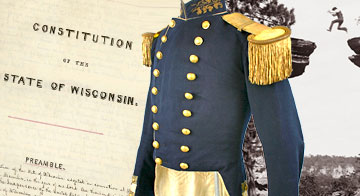
The Society's world-class collections contain an extraordinary range of artifacts and information about American history, from the remote archaeological past to current events. North American genealogy and Wisconsin history are particular collection strengths.
Search Our Catalogs
Library Catalog CLICK HEREThe Society's library and archival holdings are cataloged in the University of Wisconsin-Madison's library catalog.
Finding Aids CLICK HEREThese finding aids (registers) describe archival resources held by 19 repositories throughout Wisconsin.
What is a DAM?
A Digital Asset Management (DAM) system is a centralized platform used to store, organize and share digital files—like photos, videos, documents and scanned historical materials. For the Wisconsin Historical Society, our DAM helps preserve and provide access to our world-renowned collections in a more efficient, user-friendly way. It replaces older systems and makes it easier for staff and the public to search, explore and interact with digital content—all in one place.
Guides
Power Point - How To Guide | Document - How To Guide
While we transition, some collections will be available online but others will be in the process of migrating to the DAM and will become available over time.
Available Now
Visual Materials in Our Collections (includes formerly named Wisconsin Historical Images)
Eugene Walter Leach Collection
1964 Freedom Summer Project (Migration is ongoing – more content added regularly)
Henry and Elizabeth Baird Collection
McCormick - International Harvester Collection
National Register and State Register of Historic Places
Oral Histories: Wisconsin Survivors of the Holocaust
Somos Latinas Project Oral Histories
Turning Points in Wisconsin History
Wisconsin Architecture and History Inventory Collection (AHI)
Wisconsin Decorative Arts Database
Wisconsin Historical Collections 1855- 1915
Wisconsin Historical Society Electronic Records Portal
Wisconsin Historical Society Web Archives
Wisconsin Local History and Biography Articles
Wisconsin Magazine of History Archives
AND MORE!
Coming Soon!
Do you have any questions?
please reach out!
Increase A. Lapham Papers
Senator William Proxmire Collection
Wisconsin Thematic Panels Collection
Wisconsin in the Civil War
Online Indexes, Databases and Guides
- About the Draper Manuscript Collection
- Feature Film Database
Search American and international feature-length films in the Wisconsin Center for Film & Theater Research (WCFTR) Collection by title, country, production company, director and year.
- Pre-1907 Vital Records Collection
Find your relatives by searching pre-1907 vital records on our 'Research Your Family History' page.
- Shipwreck Database
Search for shipwrecks by name, type, trail, county, year sank and nearest city.
- Wisconsin Corporation Indexes
Search for incorporation papers and charter documents for thousands of domestic and non-stock Wisconsin corporations, 1889-2001.
- Wisconsin Name Index
Browse more than 150,000 records, including biographical sketches, obituaries, and newspaper articles published before 2000. Use filters on the left side of page to refine your search.
Featured From the Collections
- Curators' Favorites
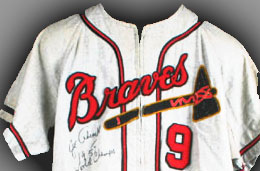
Browse over 200 historical essays on selected artifacts from the Wisconsin Historical Museum. These objects were chosen by museum curators for the fascinating stories they tell about Wisconsin history.
Resource Descriptions
Learn about resources available across the Society for specific topics.
- About the McCormick-International Harvester Collection
Learn how to access and explore the McCormick-International Harvester Collection.
- About Our Wisconsin Architecture and History Inventory (AHI)
Search digital records on more than 140,000 historic buildings, structures and objects throughout Wisconsin.
- Family History Collections Overview
Among the Top Five Institutions for Genealogy Research in the U.S.Search the Wisconsin Historical Society's vast family history collections, which are among the top five for genealogy research in the U.S.
- About Our Newspapers
Full Newspapers, Name Index, Local History and Biographical Clippings.Explore our physical and digital collections of newspapers, which is the second largest collection of newspapers in the U.S.
- About Our Paintings
Wisconsin Historical Museum Collections.Explore our collection of paintings, many of which can be viewed online.
- About Our Microfilm Collection
Access Information and Sales Service. Learn how to access the extensive microfilm collection at the Wisconsin Historical Society.
Visit Us
Get expert advice in how to create a family tree or hunt for clues about an ancestor's past.
- Accessibility
- Hours
- Locations and Directions
- Parking and Transportation
- Visiting the Library and Archives
Or call us at 608-264-6535